When Two Online Descriptions Disagree, Don't Merge Them Into a Spec
One page gives a total, another an amount per peptide, a third shows a different pen count. Check the scope before you pick the version that looks most complete.
Look for research peptides online in the UK and you will soon have several tabs open, each describing something that sounds like the same offer. One page gives a total amount, another gives an amount per peptide, and a third shows a photo with a different number of pens. Before you pick the version that looks most complete, find out whether the pages actually disagree or are describing different things.
This article is practical rather than accusatory. No page is being accused of an error, and the examples are illustrations. The aim is to stop a half-understood mismatch turning into a purchase request for something nobody sells.
Contradiction or different scope?
Most apparent conflicts turn out to be differences of scope. Check the usual suspects first:
- Total versus per component. "40mg" and "20mg" can both be true of the same pen if one is the total and the other is each peptide.
- Whole order versus one item. A two-pen bundle and one of its pens carry different names and different amounts.
- One pen versus two. A single pen holding two peptides is a different arrangement from two pens each holding one.
- Old versus current. One source may simply be older than the other.
- Shorthand. An internal abbreviation can stand for any of the above.
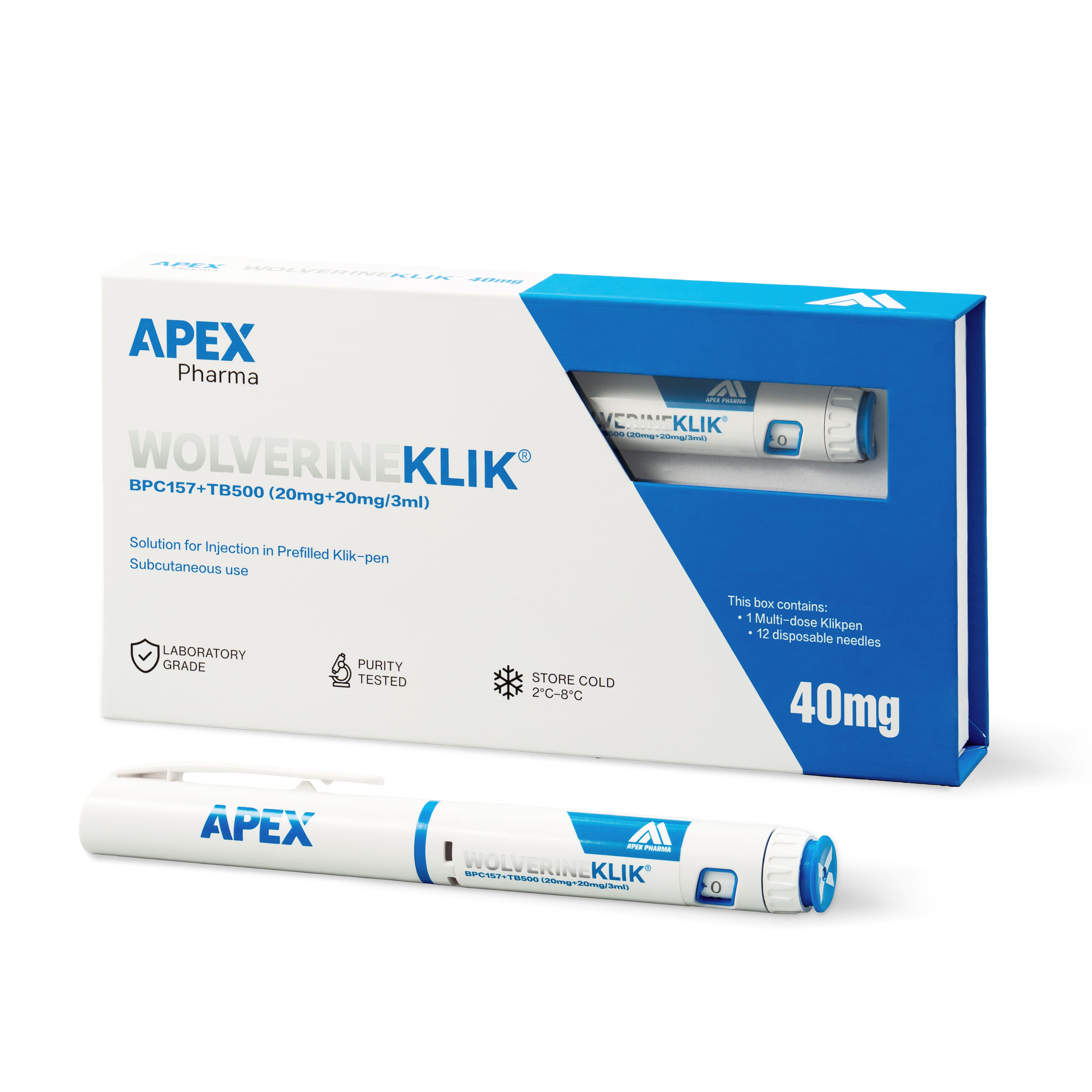
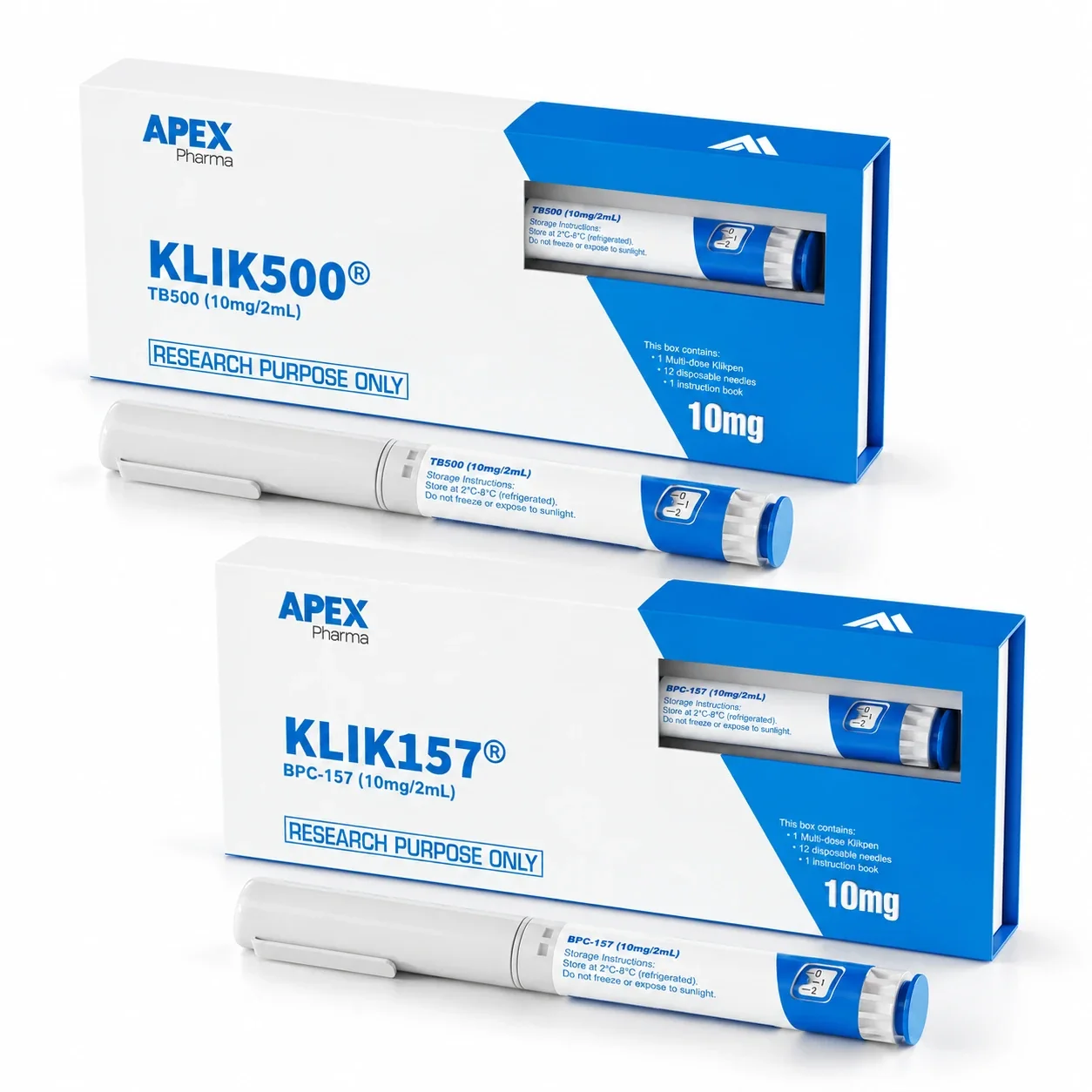
The catalogue shows how easily this happens. The Wolverine blend puts BPC-157 20mg and TB-500 20mg in one 3ml pen, 40mg in total. The STRENGTH bundle is two separate pens, TB-500 10mg and BPC-157 10mg. Same two peptide names, different arrangement, different numbers.
Write the disagreement in one line
A note saying "inconsistent information" leaves a colleague unsure what to investigate. Be specific: "Page A says X, page B says Y, and I cannot tell whether they describe the same item." Keep each statement exactly as you found it, with the page and the date, before you tidy any wording. If you standardise first, you destroy the evidence that something needs explaining.
Do not build a composite specification
Suppose a shortlist row reads: product name from page one, "10mg" from a single-peptide listing, "two pens" from a bundle photo. Each piece is real, but together they describe an arrangement nobody is offering. The row looks complete, which is exactly the problem.
Leave any field you cannot source marked "to confirm". The compare tool is handy for lining listings up, but it helps you navigate; it does not decide whether two listings are equivalent. That judgement belongs to whoever owns the research requirement.
Ask the question that settles it
A good message names both records, the point that stops you assessing the offer and the decision the answer will support. For example:
Your listing gives amount A for this item. The quote we received shows amount B. Which one describes the item on our request, and how do the two relate?
"Please make everything consistent" tends to produce new wording without resolving anything. Remember, too, that a narrower document is not automatically wrong. A report for one component, set against a quote for a grouped purchase, may be perfectly accurate and simply cover less. The question to ask is how it relates to your request.
Before you pick a version
- Quote both statements word for word, with page and date.
- Say what each one describes: total, per component, one pen or the whole order.
- Confirm that both name the same pack and arrangement.
- Mark any field you cannot source as "to confirm".
- Send one narrow question, not a request for general reassurance.
- File the answer beside both originals.
Keep both records afterwards
Resist deleting the page you decided against. A colleague who stumbles on it next month will raise the same question, and without the explanation sitting next to it they will have to start again. Your final note should say which description you relied on, why it applies and what remains open. CLOVA's products are supplied for laboratory research use only, so the listing, the label and the paperwork are what you have to go on, and it is worth making sure they tell the same story.
Frequently asked questions
Which page should I trust when they differ?
Neither by default. The page for the exact listing you intend to buy is the natural reference point, but check what it describes and when it was captured. If it still conflicts with a quote or a label, ask CLOVA which one applies.
Can the compare tool settle a disagreement?
It lines listings up, which saves time, but it does not prove they are equivalent. Use it to see where the differences are, then decide which ones matter to your project.
A colleague pasted a description with no source. What now?
Treat it as an unsourced note. Find the page it came from, record the date and compare it with the current listing in the catalogue before it goes anywhere near a purchase request.