Building a Fair Peptide Supplier Price Comparison Table
Headline prices rarely compare like with like. These are the columns that make a peptide cost table fair, with a blend versus bundle example.
A peptide supplier price comparison tends to go wrong in a predictable way. Two rows sit side by side, one looks cheaper, and nobody notices they describe different amounts in different formats. The table looks rigorous while comparing things that were never alike.
The fix is structural. Decide the columns before you collect a single price, and make every row answer the same questions. Below is a column set that suits most UK research purchases, plus a worked example using two CLOVA listings, both supplied for research use only, that contain the same two materials in very different arrangements.
Why headline prices mislead
A product price answers one question: what does this listing cost? It doesn't tell you how much material you get, how many units arrive, whether delivery is extra or whether the documentation you need is available. Two listings at similar prices can differ on all four.
Offers add another layer. A promotion may already be built into a displayed price, or it may come off at checkout, and treating it the wrong way moves a row up or down the table. Record how each price was arrived at, not just the number.
The columns your cost table needs
Set these up first, and leave a cell blank rather than guess.
- Listing name exactly as shown, plus the label name if known.
- Each material and its amount, in mg.
- Number of units supplied, such as pens.
- Displayed price, and whether any offer is already included.
- Delivery charge, and whether it applies per order or per item.
- Documentation: is a Certificate of Analysis published, and for which batch?
- Date checked and the page address.
The last column is the one people skip and later regret. Prices and availability change, and a figure without a date can't be trusted in a budget review.
Worked example: one blend pen versus two single pens
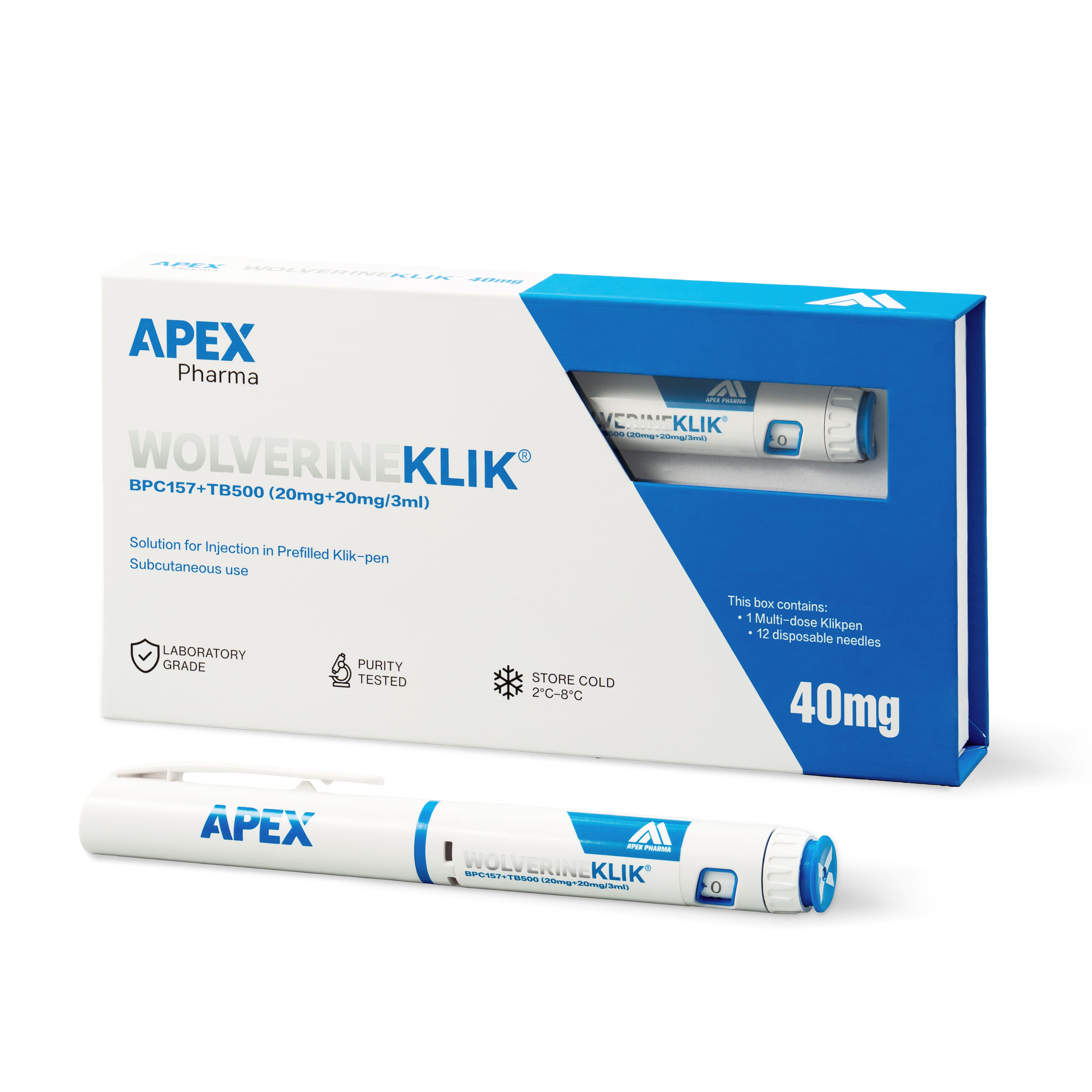
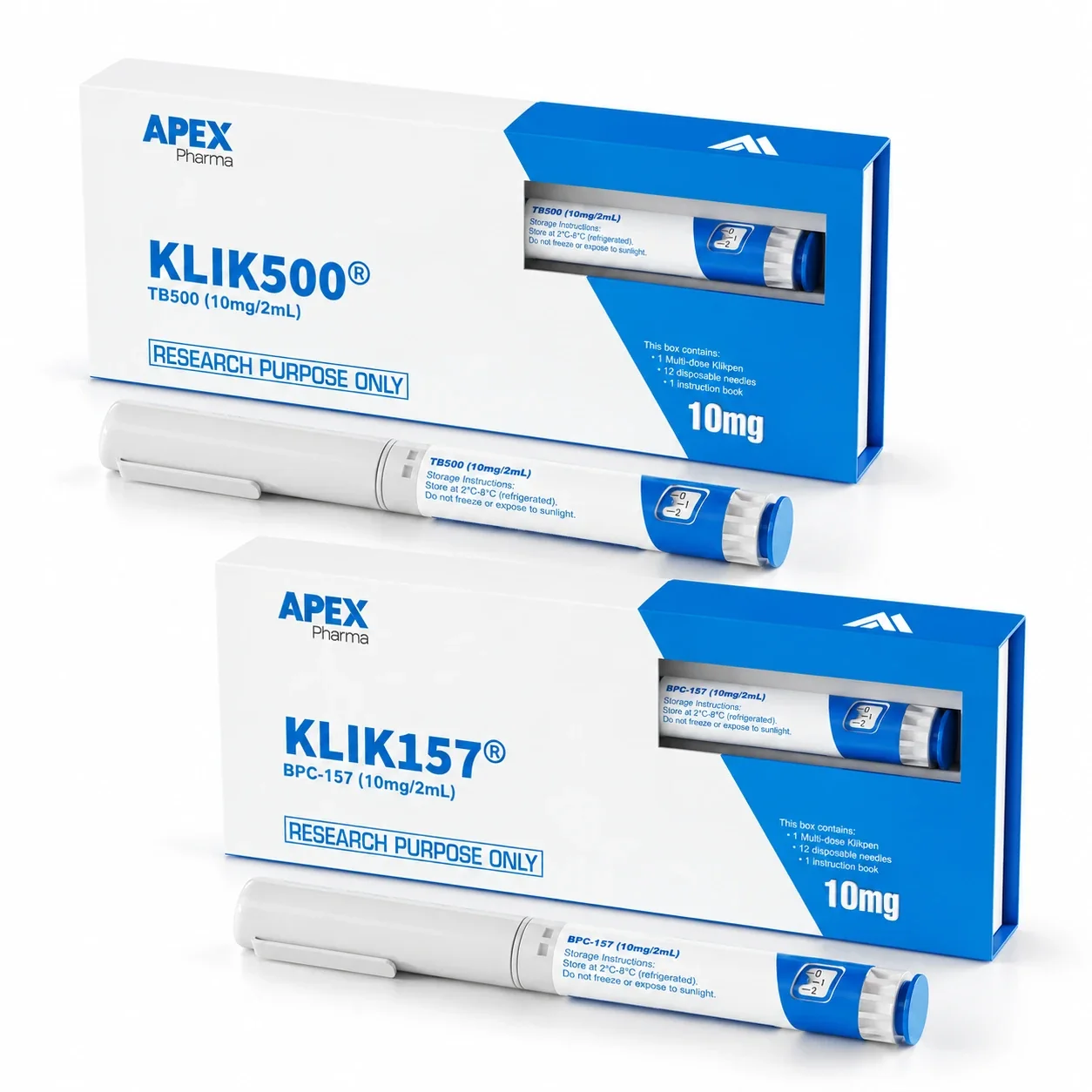
Suppose the request covers BPC-157 and TB-500, and two CLOVA listings come up. The Wolverine blend is one 3ml pen holding BPC-157 20mg and TB-500 20mg, 40mg in total. The STRENGTH bundle is two separate pens, BPC-157 10mg/2mL and TB-500 10mg/2mL.
Placed in a table by pack, these look like two options competing on price. Placed by content, the picture changes. One listing supplies twice the amount of each material in a single combined pen; the other supplies each material on its own. Whether that difference matters is a technical question for the researcher, but the cost table should make it visible, and a cost-per-mg column for each material does that far better than a single price column.
The comparison tool helps you pull the listed details together. The normalising is still your job.
Order-level costs and documentation effort
Some costs belong to the order, not the item. If delivery is charged per order, spreading it across rows changes your per-unit figures depending on how many items you buy. Show it as its own line, then allocate it if you must, with a note explaining how.
Documentation has a cost too, even if it's only time. A listing with a published report matched to its batch saves an email exchange; one without may need a query before approval. A column for it stops the cheapest row from automatically looking like the easiest.
Frequently asked questions
Should I compare price per pen or price per mg?
Per mg of each material is usually fairer when listings contain different amounts. Keep the per-pen price as well, because that's what the invoice shows, but base the comparison on content.
How often should I refresh a cost table?
Whenever it's about to support a decision. Re-check each listing and record the new date, because a table built weeks earlier may reflect prices or offers that no longer apply.
Can I compare a blend with single products at all?
You can compare their costs, but whether they're interchangeable is a separate technical judgement. Mark the difference in arrangement clearly, so nobody mistakes a cost comparison for an equivalence decision.