Blank Is Not Zero: Recording COA Status in a Product Comparison
A tick for a COA on one listing and a blank on another reads like a score. Four plain status labels keep your comparison table honest.
Imagine three listings in a spreadsheet. One has a tick in the "COA" column, one is blank, and one says "n/a". It looks like a result, but a peptide COA comparison built on ticks and blanks tells you very little about what each source has actually established.
This article gives you four plain status labels to use instead, explains how to keep different kinds of product in their own rows, and ends with a way to close a comparison without naming a winner the evidence can't support.
Why does a COA column get misread?
A tick suggests a pass and a blank suggests a fail, but neither is what happened. A blank could mean you didn't look, nothing is published, or the question didn't apply. Once those collapse into one empty cell, a reader will score it as a negative, and a completed tick will outweigh a missing answer that really matters.
The fix is to describe what you found rather than score it.
What are the four statuses?
Use these in the column, and nothing else:
- Linked and matched. A report is available, and the product and batch on it match the listing and, once stock arrives, the label.
- Linked, relationship unclear. A report is available but doesn't clearly name the product or batch you are considering.
- None published. You checked the listing and the Certificates of Analysis page and found no report for this item.
- Not yet checked or asked. You haven't looked, or you are waiting on a reply.
Add a short note to any cell that isn't status 1, saying what would move it forward. Reports are published where one is available, and not every product or batch has one, so status 3 is a normal outcome that needs a decision, not an accusation.
Compare the products before comparing their documents
The comparison tool puts selected listings side by side, which is handy for keeping them in view together. It doesn't make their documentation equivalent. Single peptides, blends and bundles each get their own row and their own description, because a record about one subject can't stand in for another just because the ingredient names overlap.
Here is how that looks with CLOVA's range:
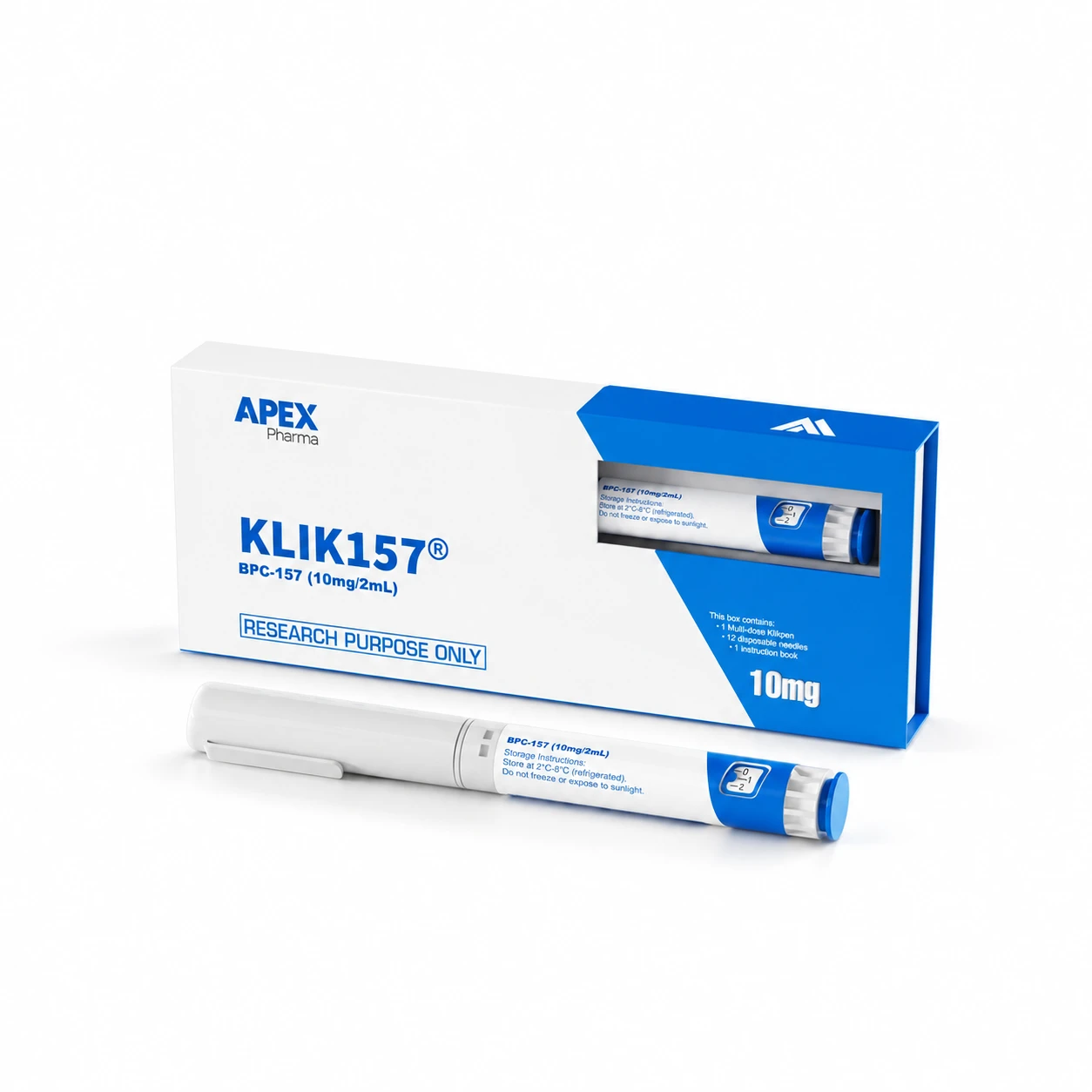
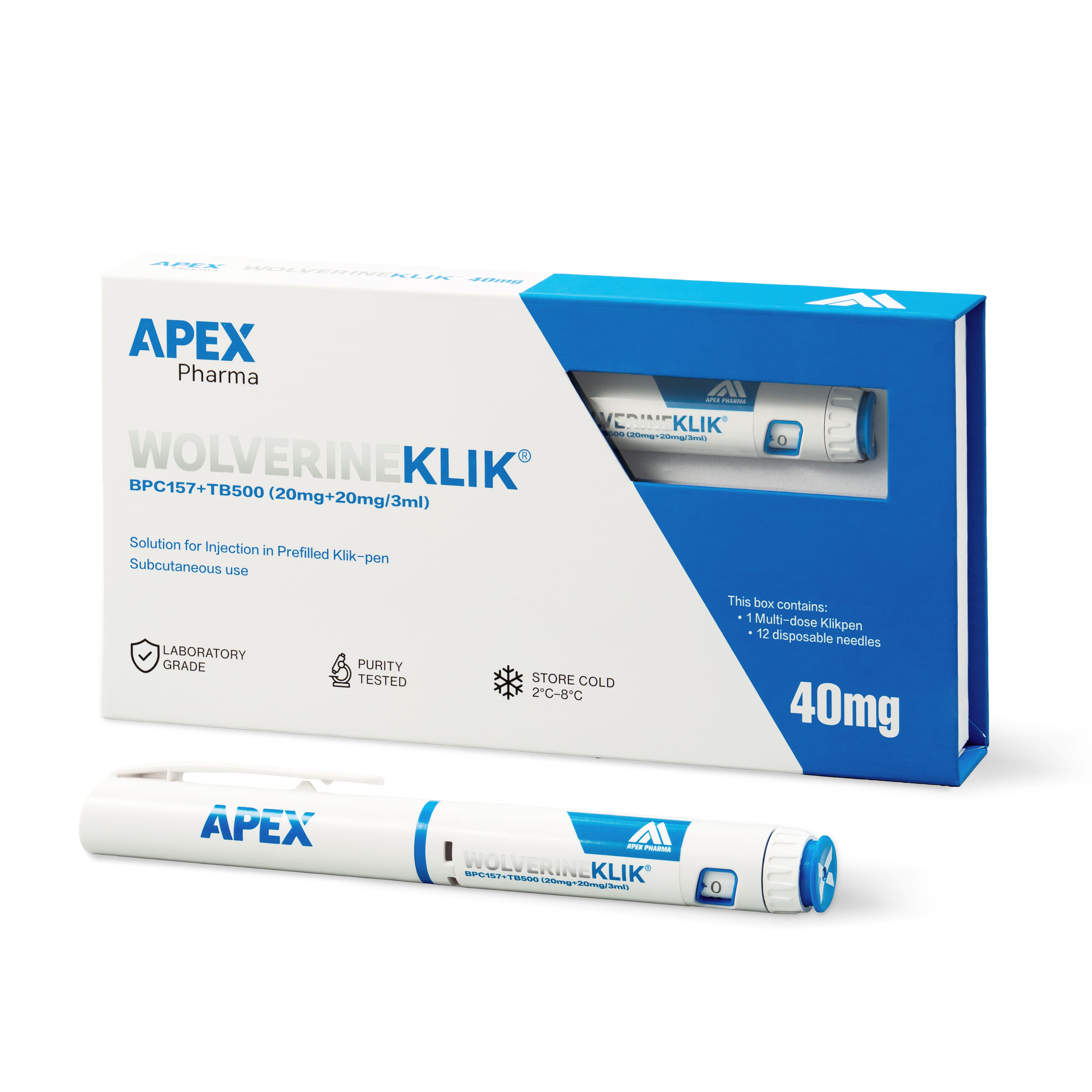
- The Wolverine pen is one 3ml pen containing BPC-157 and TB-500.
- The STRENGTH bundle is two separate pens, KLIK157 and KLIK500.
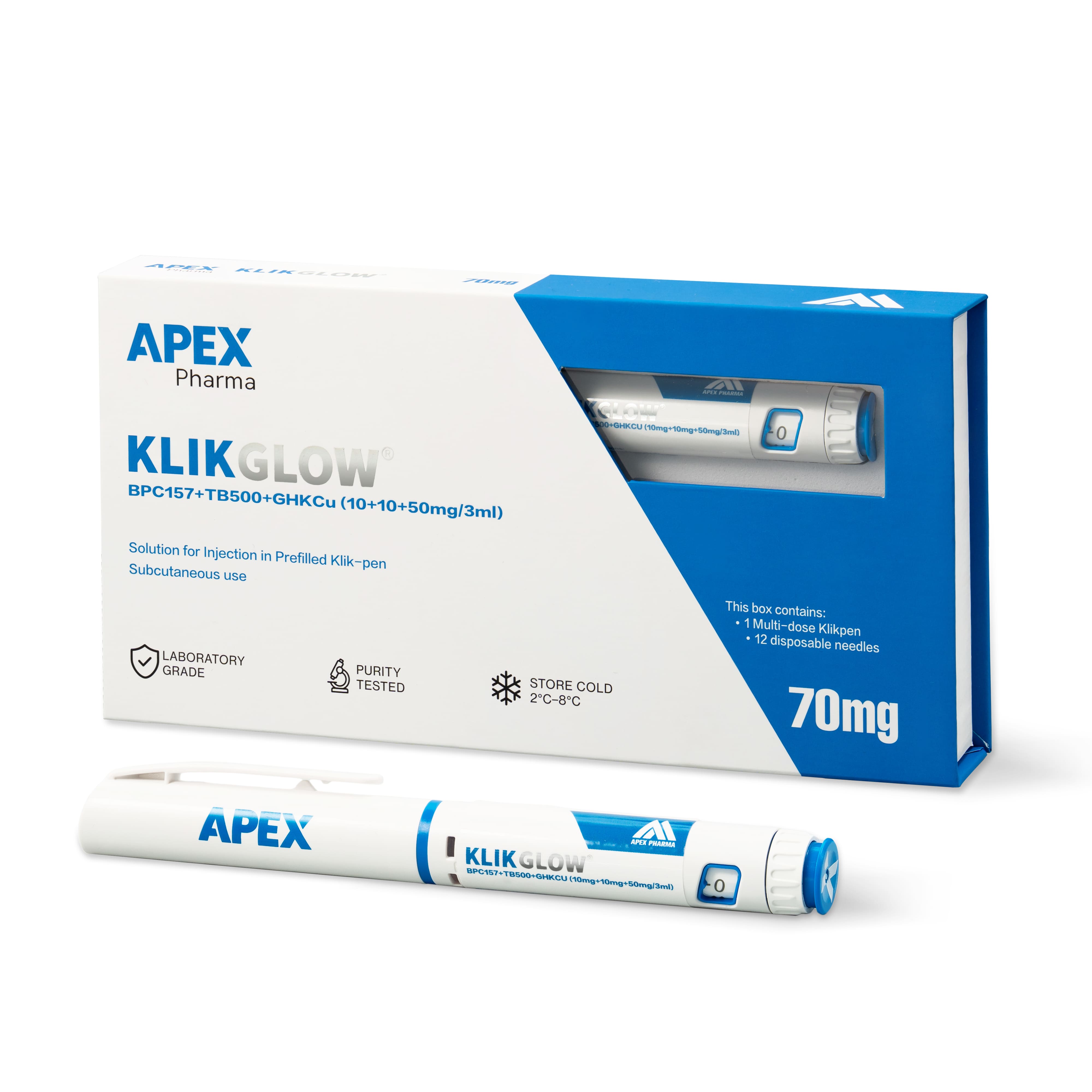
- GLOW is one 3ml pen with three peptides.
Three differently shaped products raise three different questions about which report covers what. If you collapse them into "BPC-157 and friends", the COA column stops meaning anything.
Does one unanswered question outweigh several ticks?
It can. Several minor fields completed beside one essential gap don't add up to a safe choice, so a numerical total is less informative than a plain statement of the gap that matters. The researcher responsible should say which unresolved item affects assessment, and the table should make that item easy to find.
Don't give a detailed catalogue description and a sample report equal marks because each fills one attachment box. They answer different questions, and both need reading against the same research requirement.
Keeping the history readable and closing the comparison
When a document is replaced, or a relationship is clarified, say which conclusion changed. Swapping the attachment alone can leave an approver relying on the earlier summary. Also separate a change made by the source from a correction you made yourself, so an administrative edit never turns into an imagined laboratory event.
Note why a record wasn't used for a conclusion. For example: "sample report kept as background; relationship to the candidate not confirmed". That stops a later colleague treating a nearby document as direct support, and it leaves the open question visible for a focused enquiry.
You don't have to finish with a winner. You can finish with "listings A and B can be compared on this basis; listing C needs one more answer first". That is an informative result, and it gives CLOVA a request it can actually answer. Everything on the site is supplied for laboratory research use only, so the comparison is a procurement record, and the shop is where you can go back and review the listings themselves.
Frequently asked questions
Should "none published" count against a listing?
It is a gap in the information available to you, not a test failure. Whether it matters depends on whether your project needs a report for that item. If it does, ask CLOVA about it before you decide.
Where do I find CLOVA's reports?
On the Certificates of Analysis page and on product pages where a report is available. Match the batch number on the report to the one on your quote or label before you rely on it.
Can I compare two reports directly?
Only if they describe the same property of comparable material. Otherwise, keep them side by side with their limits noted, and don't rank them against each other.