Changed Blend Quote? Split the Budget Difference by Cause
A new quote changes the total, but not always for the reason you assume. Split the difference into price, quantity and scope before you revise the budget.
The new quote has arrived and your budget line no longer matches. Before you overwrite the old figure, ask what moved. When a GLOW blend quote changes, the total can shift for three quite different reasons, and each calls for a different conversation with your approver and your supplier.
Treating every increase as "the price went up" is the commonest mistake. Sometimes the price for the same item is unchanged and it was your own request that moved. Separating the causes takes a few minutes and makes the revised budget far easier to defend.
The three causes of a changed total
Think of the difference between the old and new totals as a bridge with three possible spans:
- Price. The same item, in the same quantity, now costs a different amount.
- Quantity. You are now asking for more or fewer pens, so the total moves even if nothing about the price has.
- Scope. The quote now includes, or leaves out, something it did not before, such as delivery or a different pack.
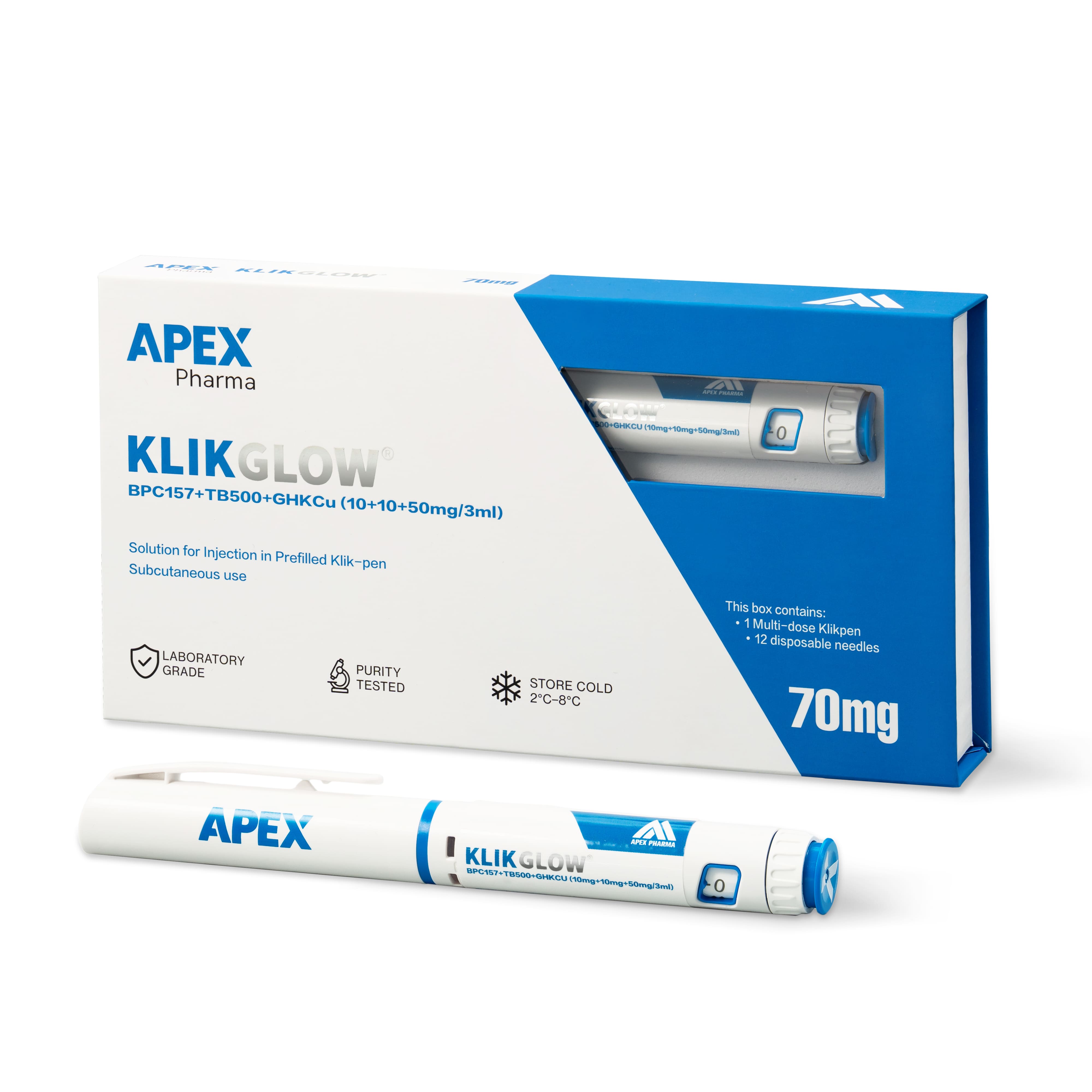
A quick example shows why it matters. The GLOW blend is one 3ml pen containing BPC-157 10mg, TB-500 10mg and GHK-Cu 50mg (70mg in total). If your request goes from one pen to two, the total roughly doubles with no change in price at all. Writing that up as a price rise would be unfair to the supplier and misleading to your approver.
Rebuild the bridge line by line
Set out the two quotes side by side and record the cause of each difference. A simple table is enough:
| Line | Earlier basis | Revised quote | Cause |
|---|---|---|---|
| Item and pack | [description] | [description] | Same / changed |
| Quantity | [number of pens] | [number of pens] | Our request / supplier |
| Item cost | [amount] | [amount] | Price / quantity |
| Delivery | [stated or not] | [stated or not] | Scope / not stated |
Where you cannot tell the cause, write "unknown" and ask. A supplier can usually answer "has the price for the same item changed?" in one line, and the answer settles the biggest question in the table.
Be clear about estimates and unknowns
An early planning figure and a quote you intended to commit to are different things, and the budget note should say which one you hold. A planning estimate that differs from the final terms is not a broken promise. A written quote is worth more, but read what it actually says about what it covers, rather than assuming it applies to a changed request.
If the earlier number came from a web listing you looked at some weeks ago, say so in the note, with the date.
Keep unknowns visible too. If delivery or another cost is not shown, do not slot in a convenient figure. A made-up value makes the revised total look final when it is not. Record it as "not stated", then ask. CLOVA's shipping and delivery page explains the delivery arrangements, which can help you frame the question.
An incomplete quote is not automatically an unfavourable one. Distinguish "we do not know yet" from "we know and do not accept it". Both stop progress, but they call for different explanations to an approver.
Update the recommendation proportionately
If only quantity changed, your earlier checks on the item itself still stand. If the pack or contents changed, re-check them against the listing, and match the batch number on the label to a Certificate of Analysis, where one is published, via the COAs page. The work you redo should be as large as the change, no larger.
Whether you need fresh approval depends on your organisation's own rules. Say what you are asking the approver to do, rather than letting an updated spreadsheet imply a decision.
A revision note another colleague can follow
Five lines are usually enough:
- Previous basis: the item, pack and quantity behind the old figure, and whether it was an estimate or a quote.
- What changed: price, quantity, scope or a mix, in that order of size.
- Who changed it: supplier, your own request, or not yet known.
- Current figure or open question: the new total, or what is still unanswered.
- Decision requested: approve, wait for an answer, or reconsider.
Because everything is supplied for laboratory research use only, the note needs no commentary on the material itself. Keep it to the cost of the purchase.
Frequently asked questions
Does a changed quote mean the product has changed?
Not necessarily. Compare the new quote with the current listing: one 3ml pen, three named peptides and the stated amounts. If those match, the difference is more likely to be quantity or scope than the item.
How do I explain the difference to an approver in one line?
Lead with the cause: "The total rose because we increased the quantity from one pen to two; the unit price is unchanged" or "the supplier has changed the price for the same pack". Then give the new figure.
Do I need a new Certificate of Analysis check?
Only if the product or batch has changed. If your request is for the same item, keep the earlier record and match the label on arrival to the report as usual.