Clarification Email Landed? Which GLOW Checks You Can Close
A clarification closes the check it answers and no more. Use three simple tests to decide which boxes on your GLOW checklist can be ticked and which stay open.
When a supplier's clarification arrives, you can close product checks only for the questions it actually answers. It is tempting to read a helpful reply and tick the whole checklist, but a new email rarely changes the status of every line.
A simple rule keeps the file honest. Close a check when the reply answers that exact question, refers to the right item, and is in writing. Anything else stays open or gets a note. The example below uses the GLOW blend, though the same approach suits any listing.
Three tests before a box gets ticked
- Does it answer the question you asked? A reply about delivery does not close a check about documentation, however friendly it sounds.
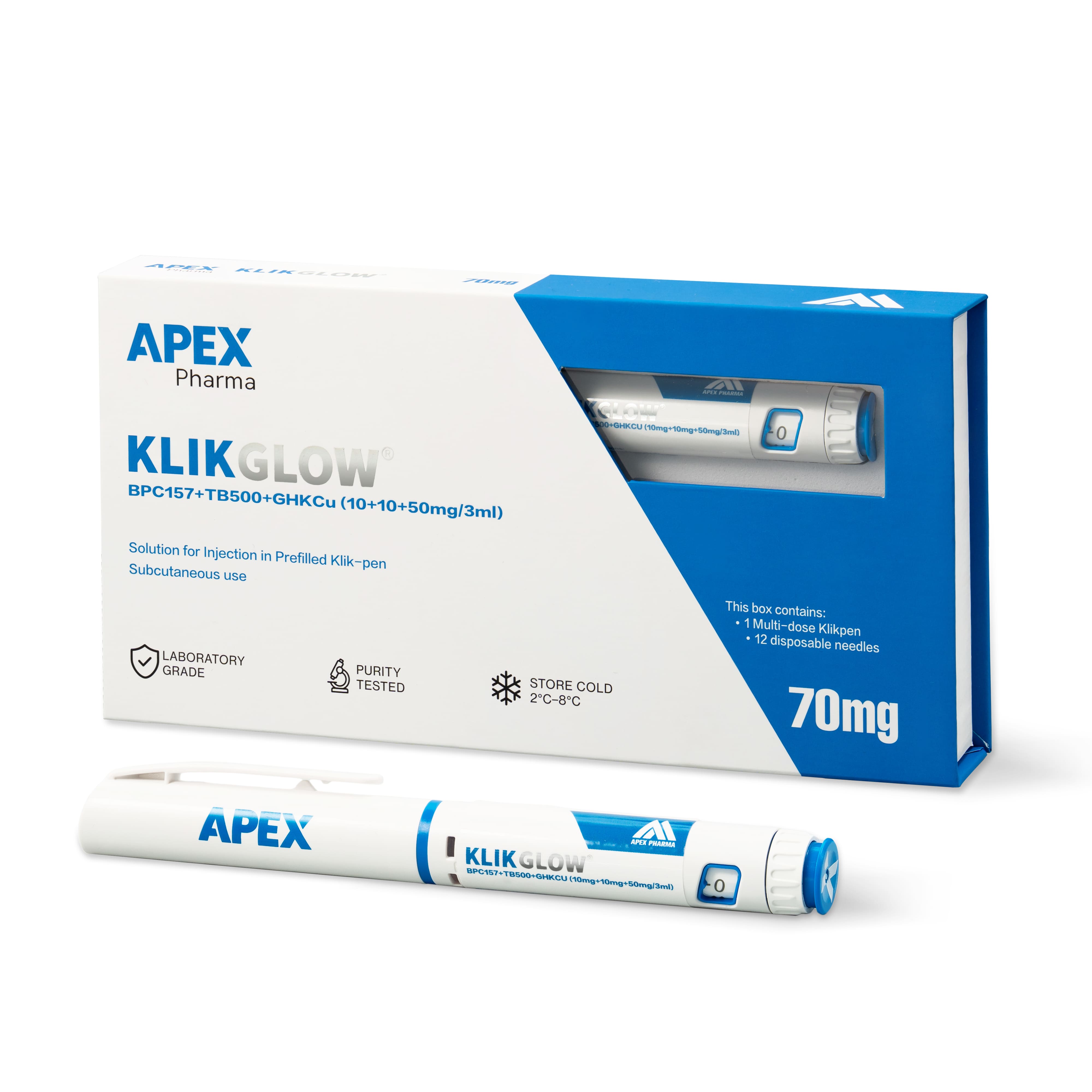
- Is it about the right item? For the GLOW pen that means the listing and label name KLIKGLOW, not another pen, bundle or similar-sounding product.
- Is it written down and attributable? An email or a message you can file counts. A remark on a phone call does not, unless you write it up and ask the supplier to confirm it.
Where batch matters, add a fourth test: does the reply or attachment identify the batch, and does that match the label?
Example: one clarification, four checks
Imagine you asked the supplier to confirm the GLOW contents. The GLOW listing states BPC-157 10mg, TB-500 10mg and GHK-Cu 50mg in one 3ml pen, 70mg in total. The reply confirms those figures and attaches a report. Here is how your four checks might stand:
- Components and amounts match the listing. The reply confirms all three and the pen size. Closed.
- Total adds up. 10 + 10 + 50 is 70mg, and the supplier agrees. Closed.
- Report relates to your batch. A report is attached but no batch number is visible. Open.
- Delivery arrangements. The reply points to the delivery information, which covers cold, tracked dispatch in unbranded packaging. Closed.
Notice that a good reply closed three checks and left one open. That is a normal and useful outcome. Reports are published on the Certificates of Analysis page where available, so the open line becomes a narrow follow-up about the batch number rather than a fresh request for everything.
Three sign-offs, not one
Closing a check is not the same as approving the purchase. Three separate decisions are often tangled together:
- Information received. Purchasing can record that the supplier answered.
- Technical judgement. The researcher decides whether the answer is adequate for the project.
- Spending authority. The budget holder decides whether to buy.
A clarification can complete the first and leave the other two untouched. Say in the file who still has to act, so a "closed" label never looks like permission.
When a closed check should reopen
Closure applies to what you checked at that moment, not to every product that shares a name. Reopen the relevant checks if:
- the listing wording or contents change
- the pen size or pack changes
- a new batch is supplied
- a document is replaced or updated
- the supplier proposes an alternative item
A closing note that survives a handover
Keep each note to four lines so a colleague can pick it up months later:
- Question: what you needed to establish.
- Answer: the supplier's wording, or the attachment reference.
- Interpreted by: who judged it adequate, or that nobody has yet.
- Next action: a further query, an approval request or a stop.
A closed check records what you established about the item as listed. It says nothing about how the material behaves, and the pen is supplied for laboratory research use only in any case.
Frequently asked questions
Can I close a check on a verbal answer?
It is safer not to. Write up what was said and email it back for confirmation, or ask the supplier to put it in writing. Then close the check against that message.
What if a reply answers only half of a check?
Split the check in two. Close the half that was answered and leave the other open with a note. That is clearer than leaving a whole line unresolved or ticking it on faith.
One answer changes my view of another check. What now?
Reopen the other check. Status should follow the evidence, so if new information affects an earlier conclusion, record the change and the reason rather than leaving the earlier tick in place.