How to Choose Research Peptides When an Alternative Is Offered
A similar-looking listing is still a different product. Here is a five-question test for deciding whether an alternative fits your research brief.
Knowing how to choose research peptides gets harder the moment someone offers you something "similar". A listing is out of stock, a colleague points at a blend, or a catalogue page suggests another size. The offer may be perfectly sensible, but it is still a different product, and your earlier checks do not automatically carry over.
The approach below keeps your written research brief in charge. The alternative is assessed against the brief, never the other way round.
Start from the brief, not from the offer
Before looking at the alternative, re-read why the first choice was shortlisted. Then split the brief into two piles.
Must-haves are the things the project cannot do without: the exact peptide, whether it is single or combined, the stated amount, and any documentation you need on file. Preferences are the things you would like: a lower price, quicker delivery or a convenient pack format.
An alternative that satisfies the preferences but not the must-haves is not really an alternative. Say so plainly in your notes, so the point does not get lost in a combined score.
Same product, variant or different product?
Work out which of three situations you are in, because each needs a different amount of rechecking.
- Clearer wording of the same product. Earlier checks mostly carry over. Save the new page and note the date.
- A variant, such as another stated amount. Re-check the amount, the price and any report that applies.
- A different product, for example a single peptide replaced by a blend. Treat it as a fresh assessment.
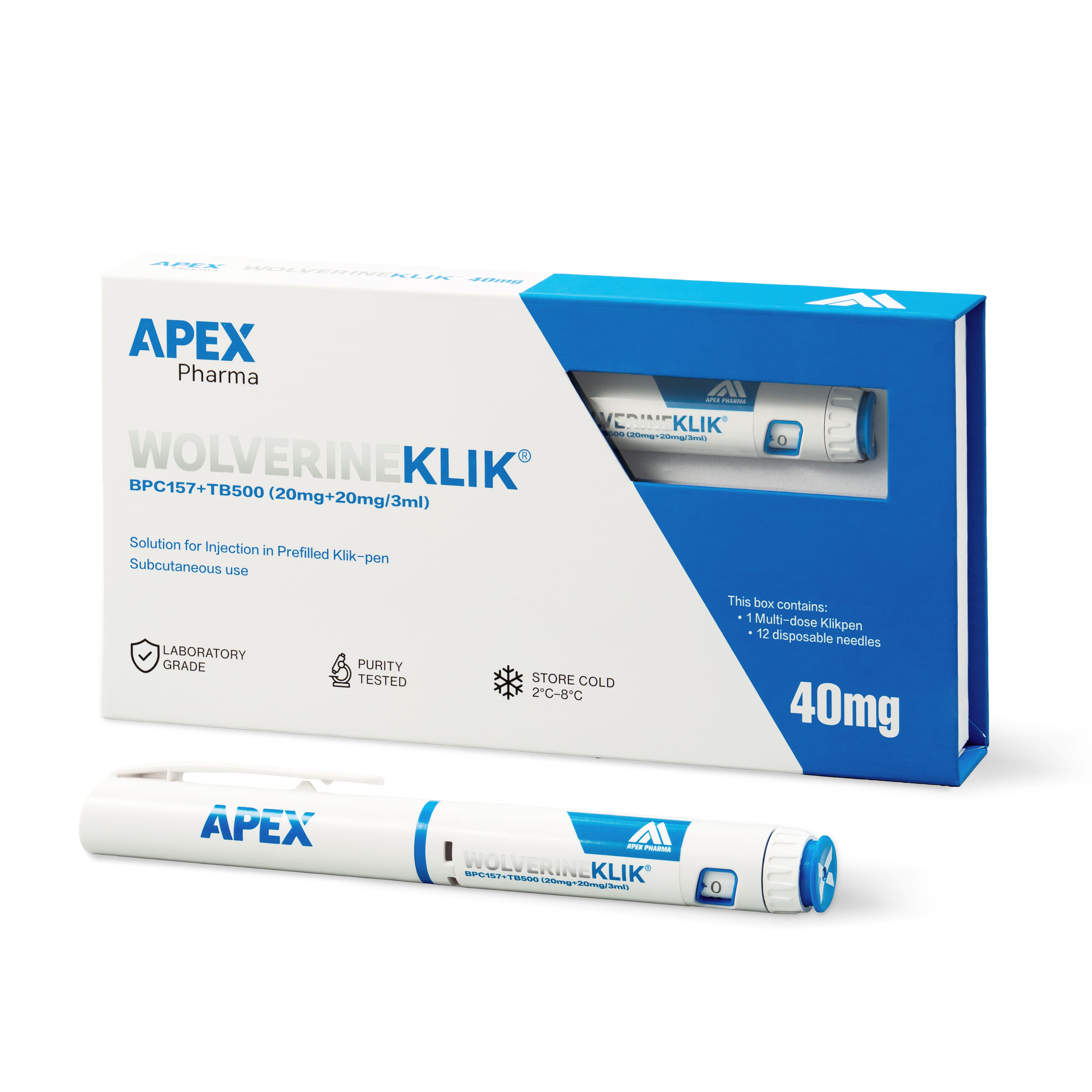
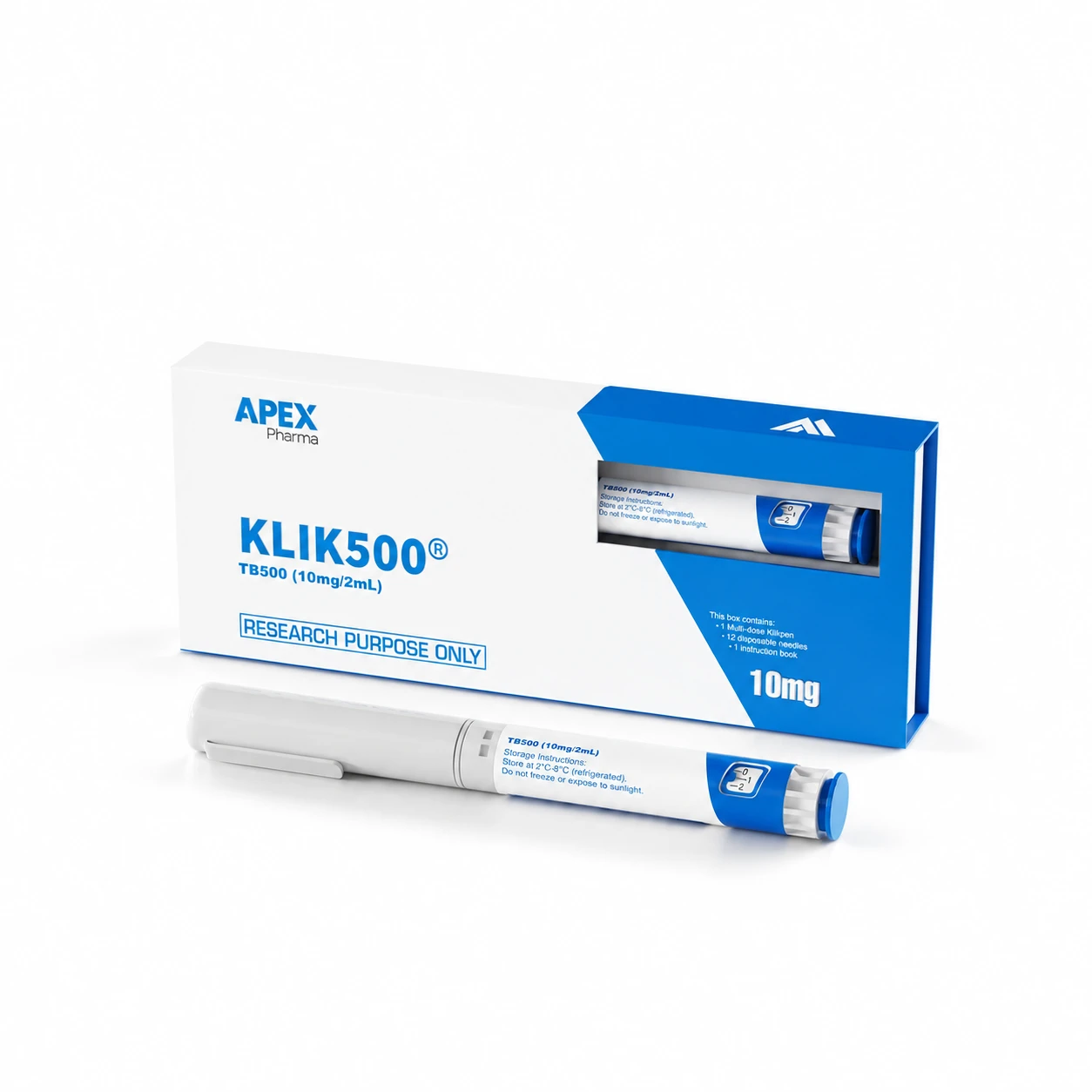
Here is a concrete case. Your brief was built around KLIK500 TB-500 10mg. Someone suggests the Wolverine blend, which lists TB-500 20mg together with BPC-157 20mg in one 3ml pen, 40mg in total. The TB-500 name appears in both, but the second listing adds another peptide and a different stated amount. Whether that suits the project is a question for your brief, not for the catalogue.
A five-question test
Put the alternative through these questions, in writing, before anyone approves it:
- Does it name the same material or materials as the brief, in the same form (single or combined)?
- Does the stated amount match, and is it given per component or per pen?
- Is there a report that applies to this listing, rather than to a related product? Check the Certificates of Analysis page and remember that a report exists only where one is available.
- Have price, quantity and delivery changed, and does the existing approval still cover them?
- Which earlier checks must be redone, and which still stand?
The comparison tool is handy for lining up two listings side by side. Use it to spot differences, then confirm the details on the product pages themselves.
Be willing to say "neither"
You are not obliged to pick a winner. Sometimes the honest outcome is to keep the original on hold, decline the alternative and ask the supplier a sharper question. Other times neither option is ready for selection yet.
Whatever you decide, write one line explaining why. An approver should be able to see whether the next step is clarification, technical review or a revised spend. And convenience, or a lower price, is not a research reason on its own.
Keep earlier work in its own box
Some of what you gathered for the first candidate will still be useful. Background reading about one peptide, for instance, does not turn into evidence for a combination just because the names overlap. Note which pieces still apply and which belong only to the original.
Everything on the site is supplied for laboratory research use only, so none of these listings tells you more than it states about the material. That makes your own notes the place where the reasoning lives.
Frequently asked questions
Is a blend a fair substitute for a single peptide?
Only if your brief genuinely calls for both materials. Otherwise you are adding a component you had not planned for, along with a different stated amount, and the whole assessment starts again.
Do earlier approvals still count after a swap?
That depends on your organisation's process, but a different product or price usually means going back to your approver. Show them what changed and why, rather than assuming the old sign-off extends to the new listing.
Where should I compare the options?
Start with the comparison tool for a quick side-by-side, then read each product page in full. The page you would actually buy from is the source of truth for names and amounts.