Check the Source, Then the Fit, Before Trusting a Bundle Review
Reviews differ in who wrote them and what they describe. Check the source first, then whether the review fits the pack you are buying, and keep it to service questions.
Search for BPC-157 TB-500 bundle reviews in the UK and you get a mixed pile: marketplace star ratings, forum threads, "best of" roundups and testimonials on a seller's own site. They look alike on screen, yet they are not equal as evidence, and very few say anything a laboratory buyer can use directly.
That does not make them worthless. Read sensibly, a review can show how a supplier handles enquiries, packing and dispatch. A simple two-step test, source first and fit second, will tell you which ones deserve a line in your sourcing notes.
Step one: who wrote it, and what do they gain?
Start with the author rather than the star rating. A buyer describing their own order, a roundup writer paid per click and a seller praising its own stock all have different reasons to write, and the text seldom says which one you are reading.
Watch for signs of a commercial interest. Affiliate-style links, identical phrasing across several "independent" posts, no mention of what was actually ordered and enthusiasm with no concrete detail all point that way. None of them proves anything alone, but each is a reason to give the review less weight. If a page cannot show who is behind it, treat it as unattributed.
Step two: does it describe the order you are considering?
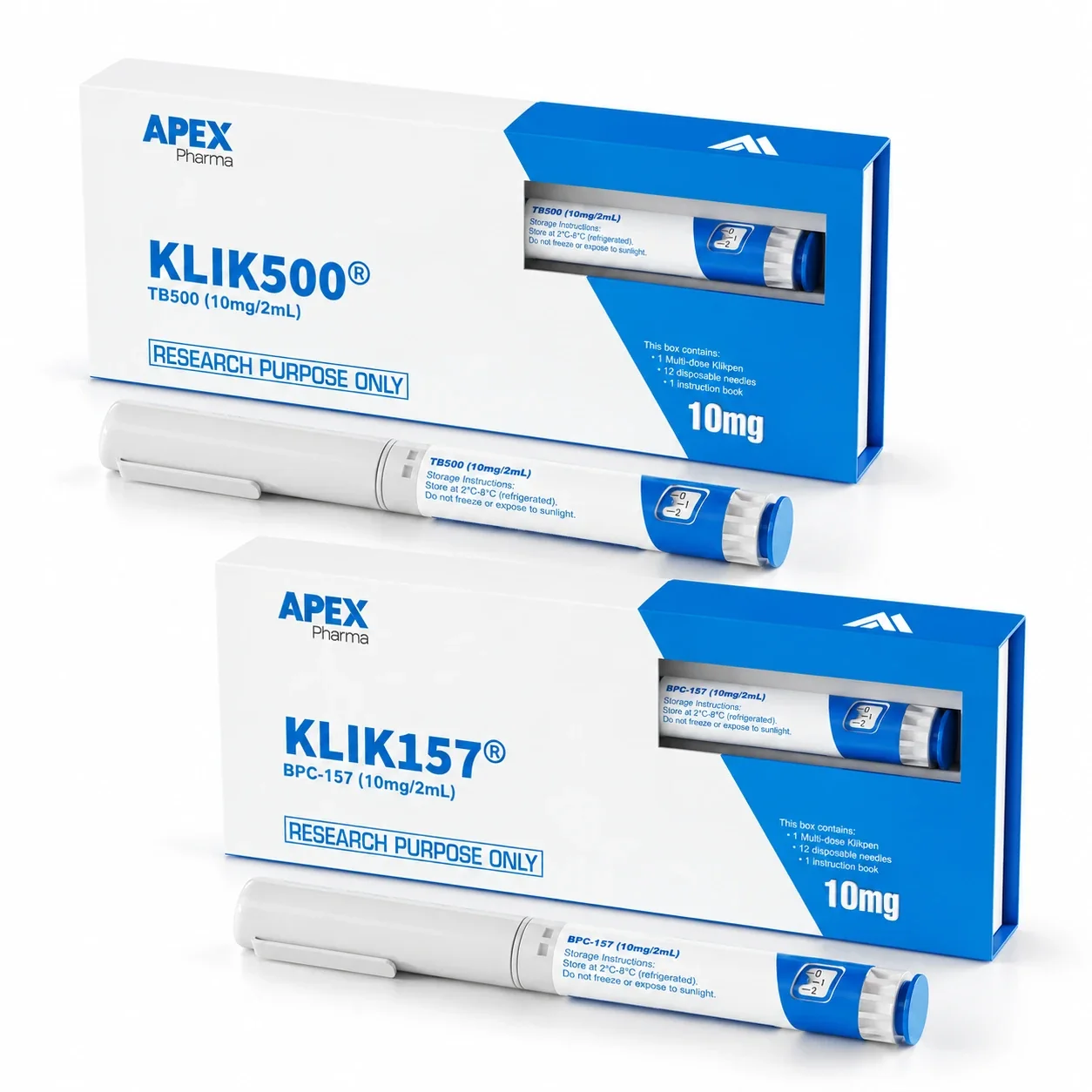
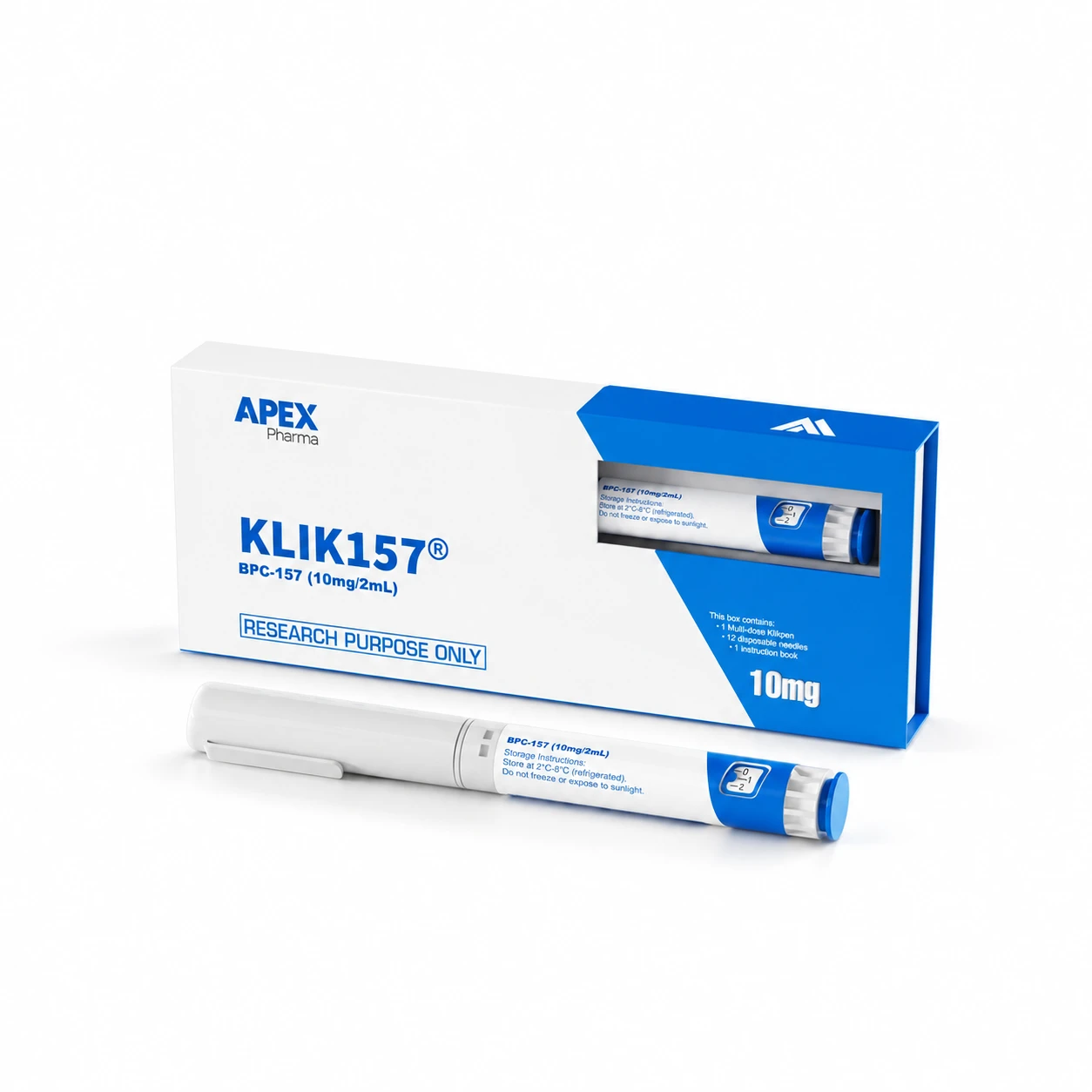
Many reviews are about a neighbouring product. The STRENGTH bundle is two separate pens, one of TB-500 and one of BPC-157. A comment about a single pen, or about a pre-mixed blend, describes a different order even when the peptide names overlap.
Date matters as well. Listings, pack contents and delivery terms change, so an older comment may describe an offer that no longer exists. If you cannot tell when it was written or what was bought, keep it as background and do not quote it.
What a review can and cannot support
Used properly, reviews speak to the experience around the purchase:
- how quickly a supplier answered an enquiry
- whether an order arrived packed as described
- whether a question about paperwork got a clear reply
They cannot tell you what is in a pen or how pure it is. Material questions belong with batch documentation, so look at the Certificates of Analysis published where a report is available and match the batch number on the label to the report.
CLOVA supplies its range for laboratory research use only, so any account of personal use or outcomes sits outside what you are buying for. Leave it out of the file.
A five-point relevance check
Before a review goes into your notes, ask:
- Do I know who wrote it, and whether they have a commercial interest?
- Does it name the pack or product I am actually considering?
- Can I tell roughly when it was written?
- Does it describe something checkable, such as a reply, a delivery or a document, rather than a general feeling?
- Is its point about service rather than material quality?
Three or more "no" answers and the review should be parked. One that passes can sit in your notes as a lead, not a verdict.
Record it so someone else can check it later
Write down the review's source, the date you saw it, what it described and the question it prompted. A comment about a slow reply, for example, becomes "what response time should we expect for our enquiry?", put to the supplier directly. The about page is a sensible place to see who you would be dealing with.
Resist turning a handful of impressions into a supplier ranking. A short, dated note saying what a review did and did not establish is more useful to the next reader than a score.
Frequently asked questions
Should I discount a review that reads as promotional?
Yes, give it less weight, but you do not have to throw it away. If it mentions something specific and checkable, such as a document or a delivery step, you can turn that into a question for the supplier. Treat the enthusiasm itself as noise.
Can a good review stand in for a Certificate of Analysis?
No. A review reflects one buyer's experience of a transaction, while a Certificate of Analysis is a document about a particular batch. Use reviews for service questions and reports for material questions, and make sure the batch numbers match.
How many reviews do I need before I am comfortable?
There is no magic number. A couple of recent, specific accounts about the same type of order tell you more than dozens of vague ones. Whatever you read, put anything that matters to your project to the supplier directly and keep the reply with your records.