A Requirement Matrix for Choosing Blend or Single Peptide Listings
Whether a blend or single listings fit depends on your brief, not on item count. Build a short requirement matrix and test each option row by row.
Choosing between a BPC-157 TB-500 GHK-Cu blend vs individual peptides is a question your brief can answer, but only if the brief is written down first. Item count, convenience and a familiar format all pull in different directions, and none of them tells you whether a listing fits the work.
The practical method is a requirement matrix. List what the project needs, then test the blend and the single listings against each line. Where the evidence is missing, the row stays open instead of being filled with an assumption.
Five questions the brief should answer
Before you open any listing, write down the answers to these:
- Must all three components arrive in one container at fixed stated amounts, or are separate containers acceptable?
- Does any one component need to be ordered, or reordered, on its own?
- Which documents must exist for each component?
- Will your inventory record one item or three?
- Does the brief quote a total or per-component amount that the listing must match?
If the project owner cannot answer a question, that is useful to know before anyone compares prices.
Fill in the matrix
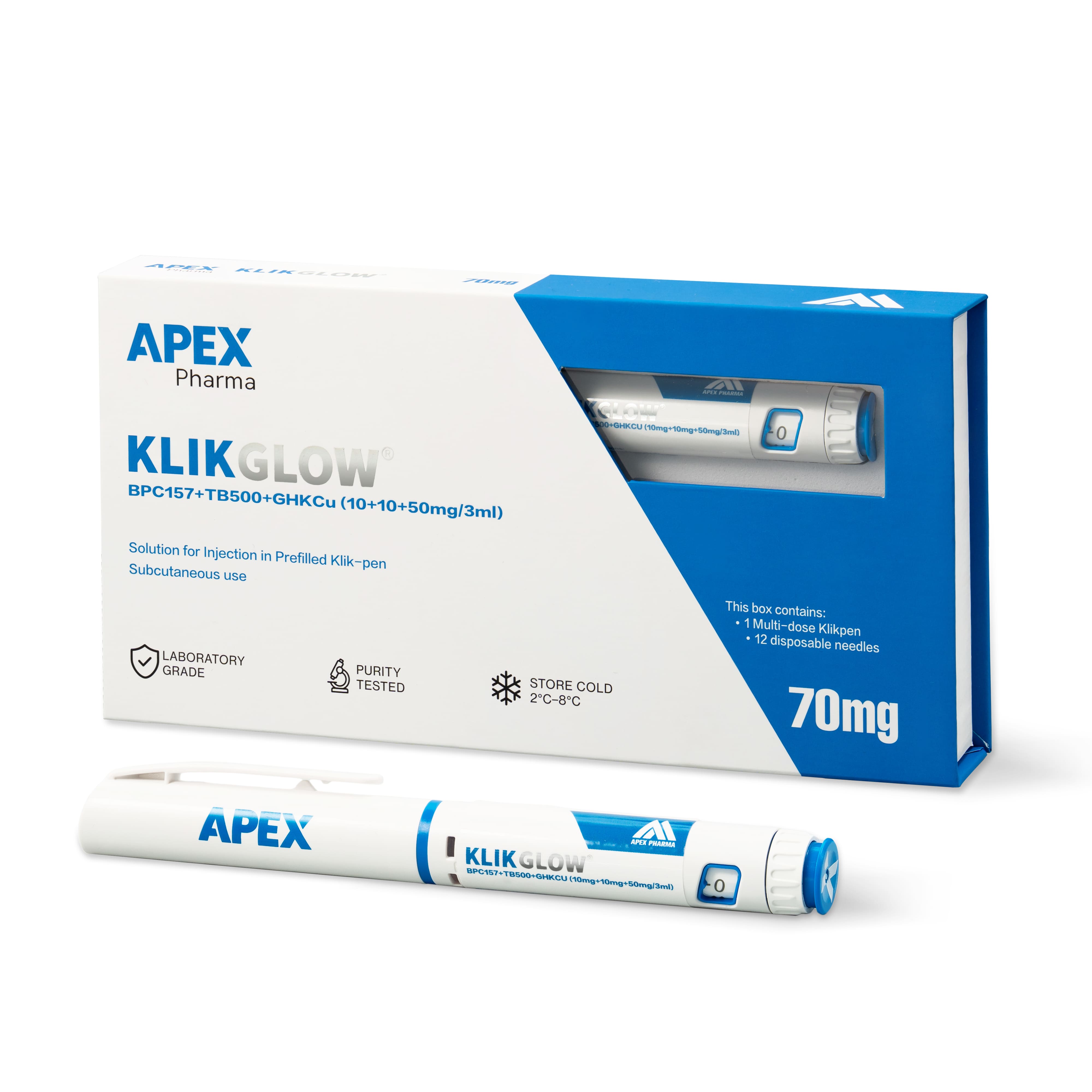
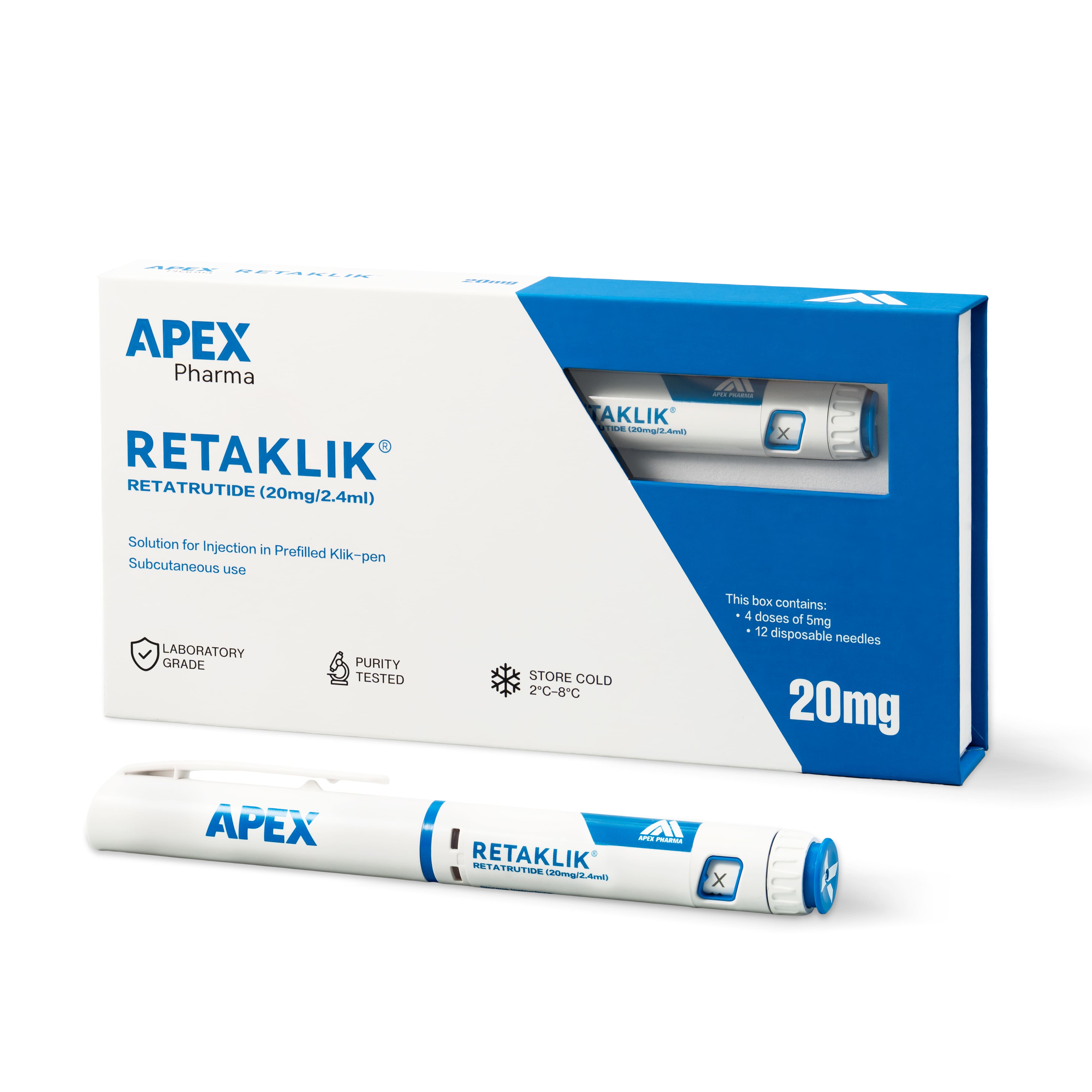
Make one row per requirement and one column per option. For the blend, the GLOW listing states BPC-157 10mg, TB-500 10mg and GHK-Cu 50mg in one 3ml pen, 70mg in total. For the single route, read each listing separately and copy what it states, including the amount shown on the GHK-Cu listing. A row might look like this:
- Requirement: all three components, each with a stated amount.
- Blend: stated on the listing for all three, in one pen.
- Single listings: stated separately on three pages, in three pens.
- Gap? None, provided the amounts on each page match what the brief needs.
Do this for every row. Resist adding a score column. A fully filled-in table can look decisive even when a key row is empty.
Do not let one column borrow from the other
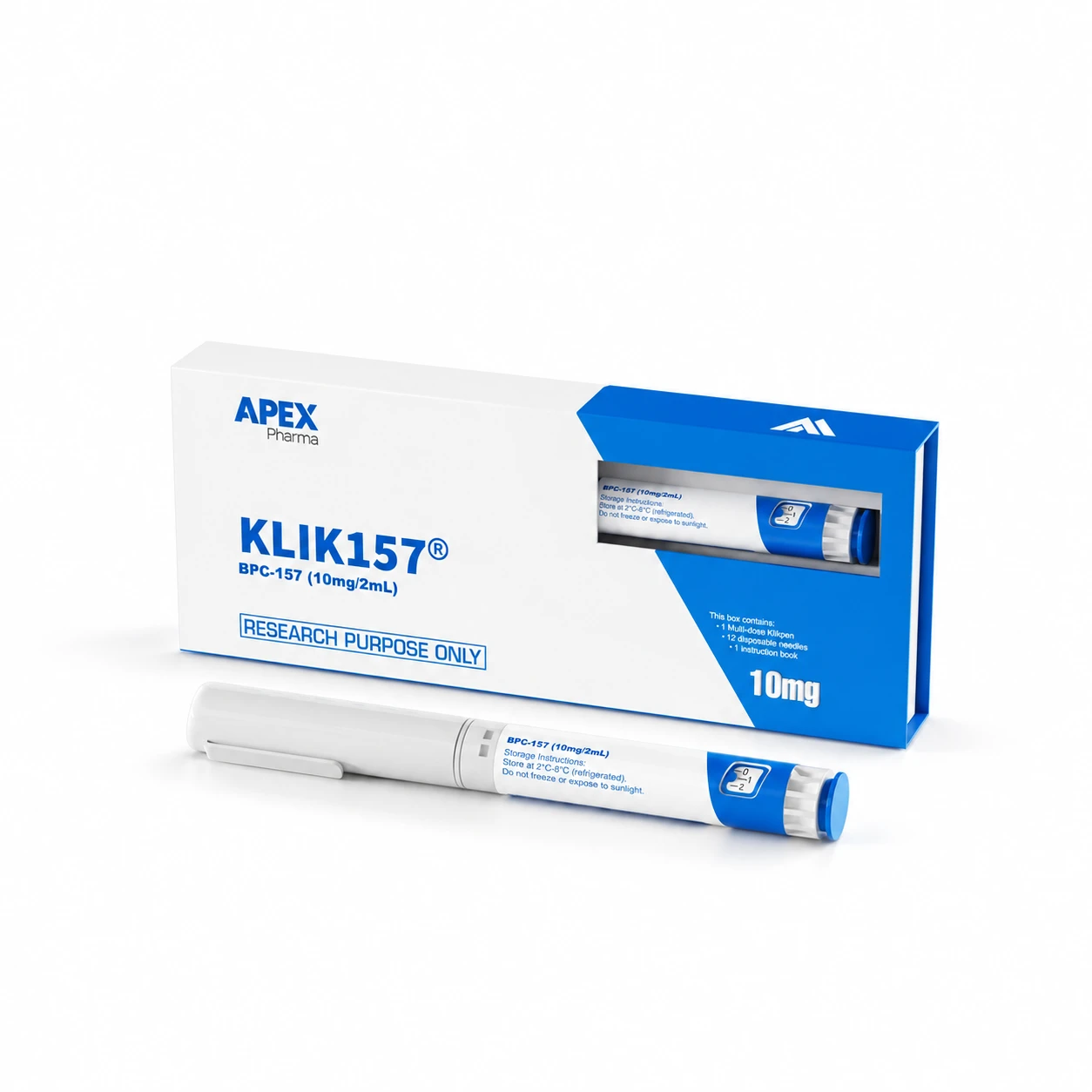
Matching headline numbers do not make two options interchangeable. A single BPC-157 listing and the blend both mention BPC-157 10mg, but they are different products with their own descriptions and their own paperwork.
The same goes for evidence. A report for a single peptide does not establish anything about a blend, and a report for the blend does not stand in for reports on separately supplied pens. Reports are published on the Certificates of Analysis page and on product pages where one is available, and each should be matched to its own batch number.
If a relationship is unclear, ask about it directly. "Which report covers which pen?" gets a clearer answer than a request to confirm that the formats are equivalent.
Reading the finished matrix
Three outcomes are common:
- One option meets every must-have. Take it forward to a price check.
- A split decision. Each option meets some requirements. Go back to the brief and ask which requirement really carries the weight.
- An open row. An essential requirement has no evidence either way. Send a narrow query about that row alone.
Only compare costs once the options meet the same requirements. The comparison tool can help line up listings, but a lower total for a different arrangement is not a saving.
The matrix also keeps your record in order. These items are supplied for laboratory research use only, so the final note should say which option met the brief and on what evidence, and nothing more.
Before you decide
- Every requirement in the brief has its own row.
- Each cell is copied from a listing or report, not remembered.
- Gaps are marked as open, not filled in.
- Documents are matched to the item they describe.
- The researcher, not purchasing, has judged whether any partial answer is enough.
Frequently asked questions
Is the blend just the three single peptides in one pen?
The GLOW listing describes one product with three stated components in a 3ml pen. Whether that matches what your project needs depends on your brief, and the single listings have their own descriptions and documents. Treat them as separate candidates and compare what each states.
Can I compare options using total milligrams?
It is unreliable. A total of 70mg folds three different peptides into one figure, and adding up separate listings creates a number that appears on no document. Compare per component and keep each peptide's amount visible.
What if the brief does not specify a format?
Then format is a preference, not a requirement. Write down the reasons behind your preference, such as a single inventory entry or the ability to reorder one component, and check them with the project owner before you choose.