Reading Blend Reviews as Prompts for Better Supplier Questions
Purchase comments describe a buying experience, not the contents of a pen. Here is how to turn each kind of comment into a clear, dated question for the supplier.
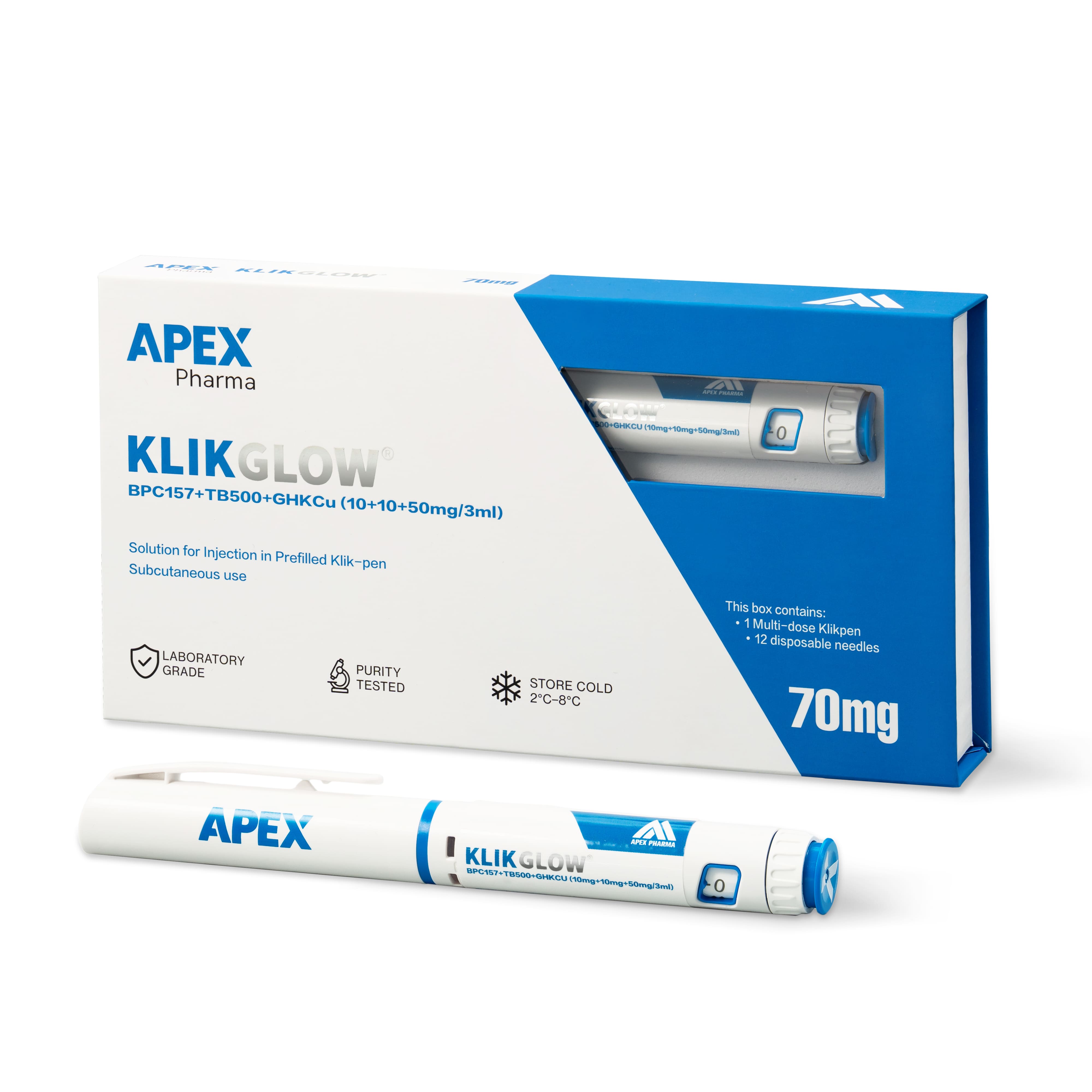
If you search for BPC-157 TB-500 GHK-Cu blend reviews in the UK, you will find a patchwork: a few lines on a shop page, a forum thread, a social post that mentions a pen by nickname. Most of it describes the buying experience, such as how quickly someone got a reply or how the parcel arrived. That is useful, but it is a different thing from knowing what is in the pen.
The practical way to use these comments is not to score them or count them. Treat each one as a prompt. A remark about delivery suggests a delivery question; a remark about paperwork suggests a documentation question. You then put that question to the supplier and keep the written answer, which is worth far more to an approver than a screenshot of someone else's opinion.
What a purchase comment can and cannot tell you
A comment describes one person's transaction at one moment. It can hint at how a supplier communicates, how orders are packed and how problems get handled. It cannot tell you the composition, purity or batch of what was sent, because the writer almost certainly had no way of measuring those things.
It also cannot tell you whether the supplier behaves the same way today. Shops change couriers, cut-off times and listings. A glowing remark from last year and a grumble from last month may both be accurate and still disagree.
CLOVA supplies for laboratory research use only, so any comment that talks about personal experience of using a product sits outside what a purchasing review can weigh. Set those aside rather than passing them on.
Check the comment is about the same product
Before a comment earns a place in your notes, ask three things:
- Does it name the actual product, or only the component names? Several sellers use similar shorthand for pens with different contents, so a comment about "a BPC-157 TB-500 blend" may not concern the GLOW pen you are considering.
- Is it dated, and is the date recent enough to matter?
- Is it about the shop you are assessing, or a different seller?
If you cannot answer all three, park the comment as background. Do not let a vague match quietly become evidence.
Turn each kind of comment into a question
Here is how the common types translate into something you can ask:
- A comment about fast dispatch. Ask for the current dispatch cut-off and what tracking you will receive. CLOVA's own information is that orders paid before 1pm UK time, Monday to Friday, go out the same working day, with details on the delivery page.
- A comment about discreet or cold packaging. Ask how the order is shipped and how it should be received. CLOVA ships cold in unbranded outer packaging.
- A comment about a slow or helpful reply. You cannot verify this from outside, so test it yourself with a short enquiry and see how the answer reads.
- A comment about paperwork or testing. Ask which report applies to the batch you would receive, and where it is published. Reports sit on the Certificates of Analysis page and on product pages where one is available, so ask about the specific product rather than assuming.
- A comment about a problem or a refund. Ask how the returns and refunds process works today, in writing.
Notice what each question has in common: it is specific, answerable and tied to a decision you actually have to make.
Use your own enquiry as the test
The most reliable review is the one you create. Send a short email that asks two or three of the questions above, note the date you sent it, and record when and how the supplier replied. Did the answer address each point, or only the first? Did it name a document, or just reassure you?
Keep that note next to any comments you collected. If a reviewer praised communication and your own experience matches, that is a small, honest data point. If it does not, you have learned something without anyone's opinion being involved.
What to tell your approver
A short, factual note travels best. Say which comments you read, what question each one prompted and what the supplier answered. Avoid calling anything "verified" unless you checked it yourself, and avoid turning a handful of comments into a ranking.
Keep the lines separate: service comments inform service questions, and material questions go to documents. A pleasant delivery story does not stand in for a batch report, and a batch report does not tell you how quickly the supplier replies.
Frequently asked questions
Are reviews on a shop's own website reliable?
You cannot tell from the page alone, because you do not know how comments were collected or selected. Read them as one input among several, and give more weight to written answers you receive yourself.
Can a review confirm the purity of a blend?
No. Purity is a measurement made on an identified sample, and it appears on a report, not in a comment. Ask for the report that matches the batch number on your label.
How many reviews should I read before ordering?
There is no useful number. A few relevant, recent comments that suggest good questions are worth more than dozens of generic ones. What matters is that your own questions get clear written answers.