Turning a Project Brief into a Clear GLOW Peptide Enquiry
A good GLOW enquiry says what the project needs confirmed, names the exact listing and stays proportionate. Here is a checklist and a template to adapt.
A GLOW peptide enquiry is strongest when it starts from your organisation's project brief and ends with a short, specific question. Suppliers can answer "which report applies to this pen?" in a line or two. They cannot answer "is this right for our research?", and an enquiry that asks the second question tends to get a vague reply.
This guide shows how to translate a brief into a message CLOVA can actually respond to. It covers what to include, what to leave out, and who in your organisation should be doing which part of the job.
Start with what the project has to settle
Ask the researcher responsible to state, in a sentence or two, what the work needs to establish and which materials it names. Purchasing should not reverse that process by picking an available product and inventing a justification afterwards.
Then separate the essentials from the preferences. If the brief needs the amounts of each component confirmed, that is essential. If delivery timing is merely convenient, it can wait. This split shows you which unanswered point is blocking a decision and which can be handled later.
What a useful GLOW enquiry contains
Include these items, in roughly this order:
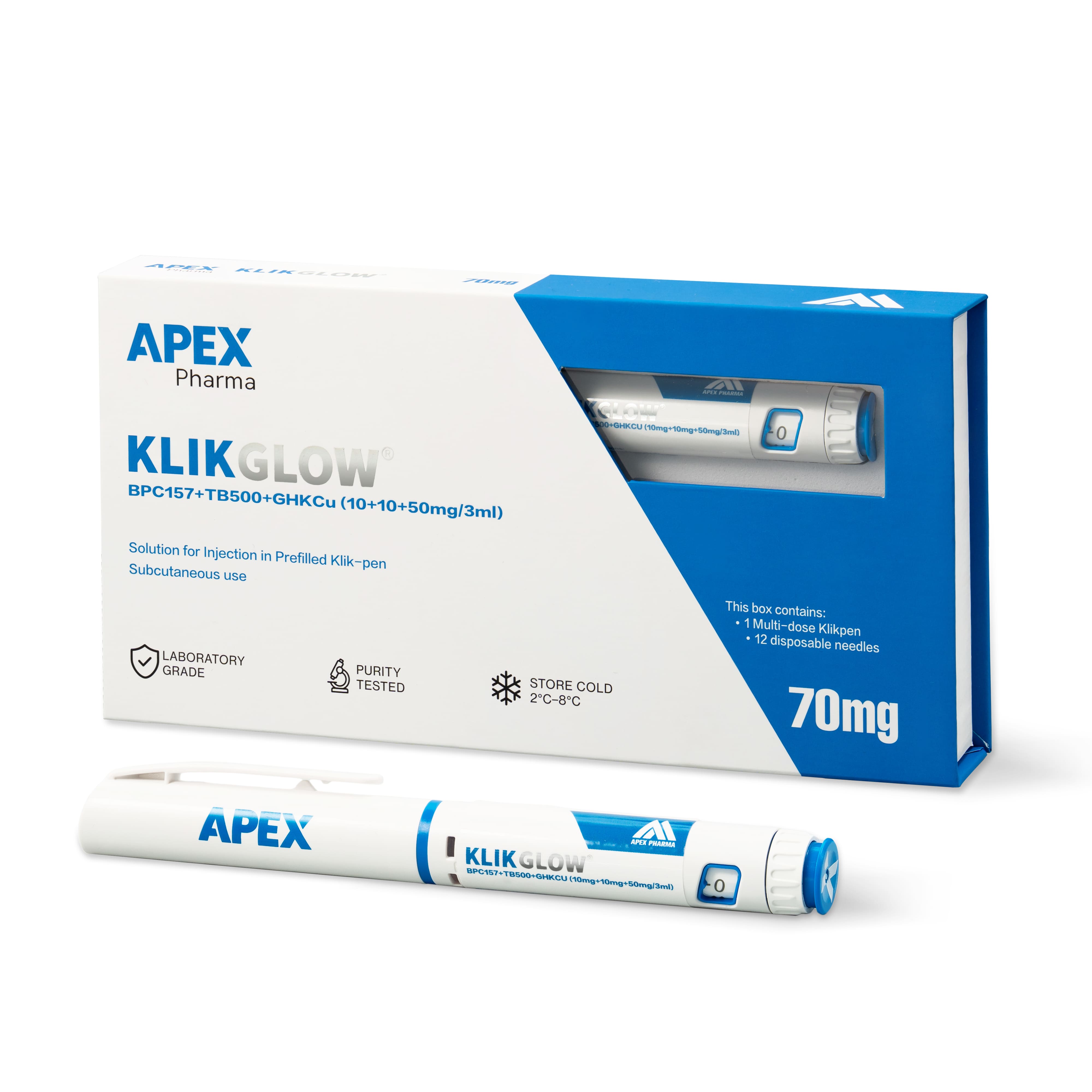
- The exact listing. Name it as the page does: the GLOW blend, label name KLIKGLOW, a 3ml pen with BPC-157 10mg, TB-500 10mg and GHK-Cu 50mg.
- The decision waiting on an answer. For example, "we need to confirm which report applies before our review meeting."
- Your stage. Say whether you are gathering background or preparing a defined proposal for approval.
- The documents you would like. Ask about the Certificate of Analysis for the batch under consideration. Reports are published on the CoA page and on product pages where one is available, so a polite question about availability is reasonable.
- Logistics, if they matter. Delivery location and any receiving constraints, such as cold storage on arrival.
Anything beyond that is probably noise. A tight enquiry is easier to answer and easier for a colleague to audit later.
A short template to adapt
Hello, we are considering the GLOW (KLIKGLOW) 3ml pen for a laboratory project and would like to confirm two things before our internal review. First, is a Certificate of Analysis available for the current batch, and if so, where can we find it? Second, can you confirm the component amounts shown on the product page apply to the pen we would receive? We are at the information-gathering stage and have not yet placed an order. Thank you.
Swap the questions for whatever your brief really needs. Keep it to a handful of lines, and resist the urge to paste in the whole project description.
Keep the enquiry proportionate
You can explain why an answer matters without disclosing confidential project detail. The supplier is being asked for facts about its own listing, not to design or endorse your research programme.
GLOW is supplied for laboratory research use only, which is why the wording of your enquiry should stay in the language of the research brief. If the phrase is unfamiliar, this short explainer sets out how CLOVA uses it.
Who decides what
A reply from CLOVA clarifies the offer. It does not mean your organisation has accepted it. Keep three activities apart in your record:
- Gathering information: usually purchasing.
- Interpreting it against the brief: the responsible researcher.
- Authorising the spend: whoever holds that authority in your organisation.
A file marked simply "ready" can hide the fact that one of these is still outstanding. Name the stage and the person who owns it.
Frequently asked questions
Do I have to explain what the research is for?
Only as much as is needed to make your question clear. You can describe the decision you are trying to make without disclosing the project in full. Follow whatever confidentiality rules apply in your organisation.
What if the brief changes after I have sent the enquiry?
Check whether the change affects the point you asked about. If the pen, the amounts or the documents you need are different now, send a short follow-up naming the change, and mark the earlier reply as covering the old brief.
Does CLOVA's reply count as approval to buy?
No. The reply gives you information about the listing. Whether the purchase goes ahead is a decision for your organisation, made through its own procedures.